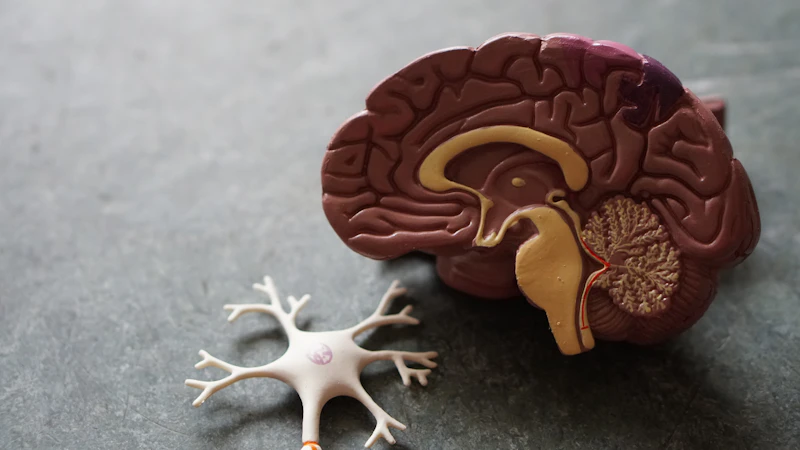
Disorders of the nervous system—ranging from chronic migraines and diabetic neuropathies to acute brain strokes and spinal cord compressions—require rapid, accurate diagnosis and highly specialized treatment. Healing Tree Hospital hosts a comprehensive Department of Neurosciences in Indirapuram, merging advanced neurology diagnostics with minimally invasive spinal neurosurgery under veteran specialists.
1. Stroke Management: The Golden Hour Protocol
An ischemic brain stroke is a critical emergency where a blood clot blocks blood flow to a region of the brain, causing brain cells to die. Under senior neurologist Dr. Rajesh (MD, DM Neurology), our emergency department operates a strict stroke protocol. If a patient arrives within the **Golden Hour** (the first 4.5 hours of symptom onset), we administer targeted thrombolytic therapy (intravenous clot-busting medication) to restore blood flow, dramatically reducing long-term disability or paralysis risk.
2. Diagnostic Suite: NCV, EMG, and Video EEG
To support chronic management of epilepsy, diabetic neuropathy, carpal tunnel syndrome, and sciatica, Healing Tree Hospital houses an advanced neurophysiology laboratory:
- Video EEG: Continuous brain wave monitoring to localize epilepsy triggers and differentiate seizure types.
- Nerve Conduction Velocity (NCV): Measures the speed of electrical signals through nerves to evaluate neuropathy or nerve damage.
- Electromyography (EMG): Evaluates electrical activity in muscles to diagnose muscular dystrophy or motor neuron disorders.
3. Spine Neurosurgery: Microscopic & Keyhole Decompression
For patients suffering from severe sciatica, cervical myelopathy, or herniated slip discs that fail to improve with physical therapy, spine surgery offers relief. Led by consultant neurosurgeon Dr. Rakesh Pandey, our spinal surgical wing specializes in minimally invasive microscopic spinal decompression:
- Microdiscectomy: Removing only the herniated disc fragment using keyhole micro-instruments, preserving surrounding muscle tissue.
- Laminectomy: Decompressing the spinal canal for patients with spinal stenosis to relieve pressure on nerves.
Frequently Asked Questions (FAQ)
Q: How do you identify stroke symptoms?
Use the B.E.F.A.S.T. protocol: Balance loss, Eyesight blurring, Face drooping, Arm weakness, Speech difficulty, and Time to call our emergency hotline (+91 8448777888).
Q: Is keyhole spine surgery safe for older patients?
Yes. Minimally invasive spinal decompression does not require long general anesthesia times or significant blood loss, making it highly safe and recommended for elderly patients with spinal stenosis.